The NPFL 2025/26 season promises an open title race with several strong clubs competing for the championship and CAF spots.
NPFL 2025/26 Season Preview: Title Contenders & Relegation Battles
NPFL 2025/26 Season Preview: Title Contenders & Relegation Battles
The Nigeria Professional Football League enters its 2025/26 campaign with genuine uncertainty at the top. Meanwhile, multiple clubs harbour realistic title ambitions after a competitive previous season established new depth in Nigerian domestic football. Therefore, fans across Lagos, Abuja, Kano, and beyond should expect one of the most unpredictable title races in recent NPFL history.
In addition, the continental stakes remain extraordinarily high. The top two finishers earn automatic entry into the CAF Champions League—a prize worth millions in revenue and continental prestige. As a result, even modest clubs are pushing harder than ever to crack the elite tier and access African competition.
The Main Title Contenders
Rivers United arrive as one of the favourites. However, their title credentials rest heavily on consistency across a gruelling 38-matchday season. The Port Harcourt outfit have the quality, but maintaining form throughout will test their depth and resolve under pressure.
Rangers International stand as perhaps the most intriguing contenders. Notably, the Enugu club boasts the extraordinary distinction of never being relegated from Nigeria’s top flight—a unique record spanning decades. Their positive goal difference and attacking prowess suggest a genuine tilt at silverware this term, with ambitions extending toward continental football success.
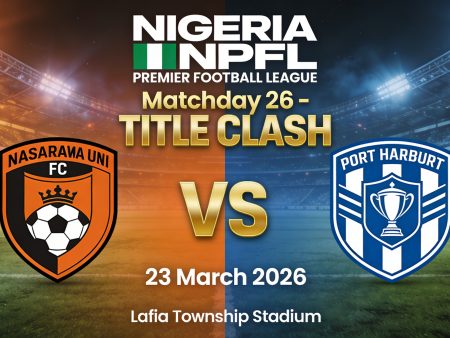
Furthermore, Nasarawa United have emerged as dark horses capable of surprising established competitors. Importantly, their organization and tactical discipline have caught observers’ attention throughout recent campaigns. That said, translating mid-season form into a full campaign requires sustained excellence from manager and squad alike, maintaining intensity across all 38 matchdays.
Ikorodu City also merit serious consideration in any title discussion. Indeed, the Lagos-based side possess the technical quality to upset favourites and win matches decisively. By contrast, they lack the recent pedigree of Rangers or Rivers, which presents both pressure and opportunity in equal measure.
The Sliding Giants: Enyimba and Kano Pillars
Enyimba FC find themselves in mid-table—a position unthinkable for the most successful club in Nigerian football history. Of course, their eight NPFL titles and back-to-back CAF Champions League wins (2003, 2004) render any season without silverware disappointing for Aba’s passionate and historically proud fanbase.
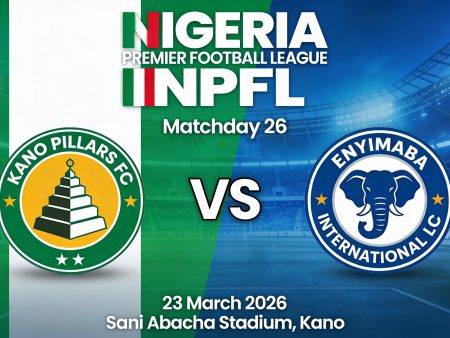
Meanwhile, Kano Pillars occupy lower mid-table with a negative goal difference. Consequently, questions swirl about their title credentials and competitive viability. However, the club’s investment of nine new signings suggests management believes in a swift turnaround. For instance, signings from Heartland, El-Kanemi Warriors, Bayelsa United, and Rivers United signal a comprehensive squad overhaul aimed at immediate championship contention.
Both clubs carry the weight of history and supporter expectation. Moreover, their fanbases demand trophies with uncompromising consistency. Notably, Kano fans packing Sani Abacha Stadium create one of Nigeria’s most intimidating atmospheres, but atmosphere alone cannot win titles without excellent on-pitch execution and tactical coherence.
The Relegation Fight: No Easy Way Out
Nigerian football’s bottom tier is brutally unforgiving for clubs lacking resources and quality. In addition, the NPFL’s bottom three clubs face immediate relegation—a sentence that can cripple smaller operations financially and competitively. Therefore, any team hovering near the danger zone faces existential pressure from January onwards.
Newly promoted clubs typically struggle adjusting to top-flight intensity and tactical sophistication. That said, some sides rise to the challenge and establish themselves quickly despite obvious disadvantages. Meanwhile, established clubs with poor starts must rebuild mentally and tactically, overcoming psychological damage from defeats. Importantly, the relegation battle will intensify come March, when every remaining fixture becomes a potential decider affecting survival odds.
Indeed, viewing centres across Nigeria will be packed for final-day drama and emotional rollercoasters. Furthermore, the emotional toll on supporters backing sides fighting for survival represents the human stakes beyond statistics and league positions.
Individual Brilliance: The Golden Boot Race
Godwin Obaje remains a clinical finisher capable of leading any side’s title charge with his consistent goal-scoring. However, Victor Mbaoma poses equal danger—a powerful striker whose consistency over seasons marks him as a genuine Golden Boot threat throughout the campaign. Meanwhile, Rabiu Ali’s experience at Kano Pillars suggests the veteran forward will remain competitive in any scoring race despite advancing age.
Furthermore, these scorers illuminate Nigerian football’s quality and technical development at the domestic level. Consequently, their performances directly influence CAF selection committees scouting for the CHAN tournament—Africa’s championship for home-based players exclusively. As a result, every goal matters beyond club rivalry, carrying national team implications.
Continental Football: The Real Prize
Access to the CAF Champions League represents the NPFL’s biggest commercial and competitive opportunity by substantial margins. In addition, European scouts monitor these competitions closely seeking emerging African talent for export. Therefore, players performing in continental football gain exposure that domestic success alone cannot provide to aspiring international careers.
Notably, Victor Osimhen’s pathway to Napoli and global stardom began through Nigerian football and continental competition. By contrast, most NPFL talents never achieve such heights, yet the league remains the primary pipeline for Super Eagles recruitment and development. Indeed, CHAN performances by home-based players directly stem from NPFL form and consistency.
Moreover, the continental stage allows clubs to test themselves against African peers and evolve tactically. That said, European opposition in later rounds reveals the quality gap—a reality that spurs NPFL clubs toward greater professionalism and investment in development.
The Viewing Culture and Fan Investment
Across Nigeria’s major cities, matchday becomes a social event attracting entire communities to viewing centres. Furthermore, viewing centres in Lagos, Abuja, and Kano transform into gathering points where thousands invest emotionally in their clubs’ performances. In short, the NPFL represents far more than sport—it connects communities, families, and regions through shared passion.
Indeed, this fan passion justifies the league’s claims as Africa’s most vibrant domestic competition with unmatched atmosphere. However, converting passion into sustainable revenue streams challenges club management constantly amid limited corporate sponsorship. Meanwhile, improved broadcasting and infrastructure continue to modernize the fan experience, bringing professional standards forward.
Looking Forward: A Season of Possibilities
The 2025/26 NPFL season promises intrigue from August through May’s final matchdays. Therefore, supporters should prepare for unexpected twists, remarkable individual performances, and drama that money alone cannot purchase. Consequently, this campaign could reshape Nigerian football’s competitive hierarchy fundamentally.
Moreover, BBC Sport’s coverage offers international perspective on NPFL developments and significant moments. In addition, following our weekly updates ensures you stay informed on title races, relegation battles, and Golden Boot contention throughout the season. After all, the NPFL 2025/26 season deserves your attention and investment.
Ultimately, Nigerian football fans possess something precious: a genuine title race where several clubs truly believe they can win the championship. Therefore, embrace the uncertainty and enjoy one of the most competitive NPFL campaigns in recent memory.
Read More